by Michael Wallace | Apr 17, 2017 | Uncategorized
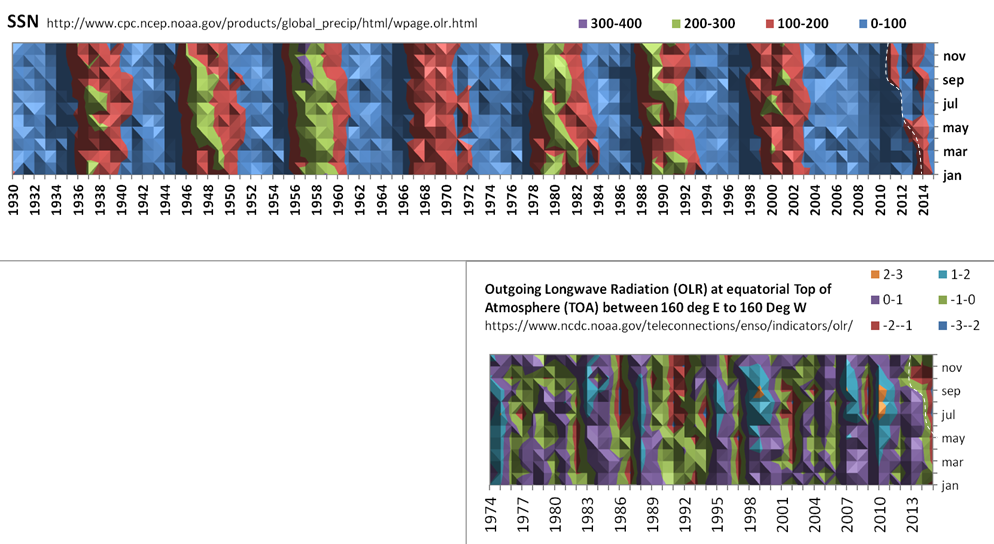
The OLR signature correlates significantly on a monthly scale to the sunspot number index (SSN). In earlier posts I have related that sunspot number correlations to actual measured climatologic variables have been hard to document. Here I simply show some work in...
by Michael Wallace | Apr 14, 2017 | Uncategorized
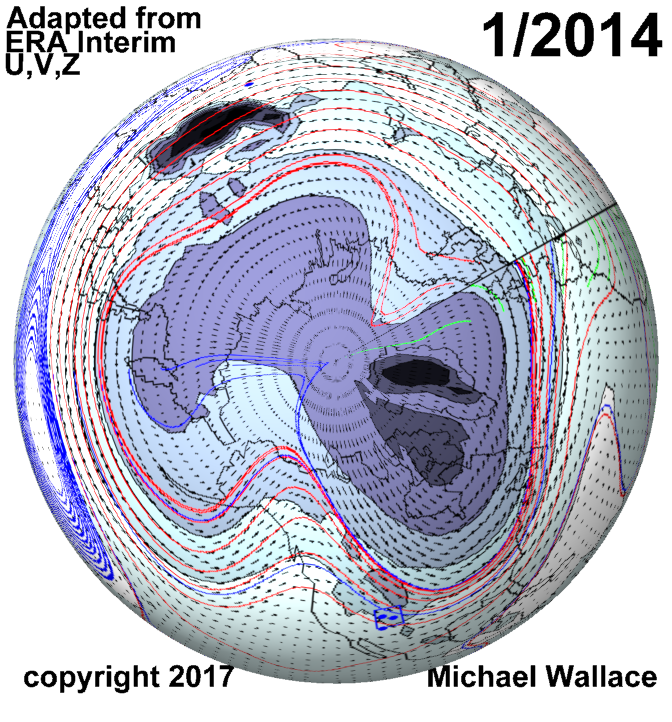
According to NASA the polar air continuum nearly separated into two or more circulating masses in the deep winter of 2014. This image from the source https://scijinks.gov/polar-vortex/ exemplifies. I’ve applied a geostrophic data coverage from the ERA Interim...
by Michael Wallace | Apr 11, 2017 | Uncategorized
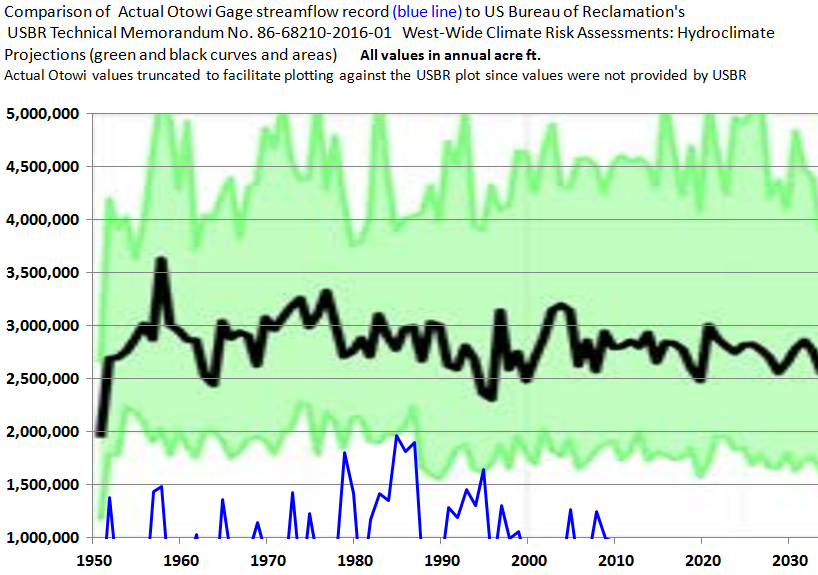
To the best of my knowledge, most other climate forecast practitioners do not publish transparent measures of the performances of their forecast record. As a hydroclimate forecaster, I would like to know how my own climate forecasts compare to those others. I think...
by Michael Wallace | Apr 4, 2017 | Uncategorized
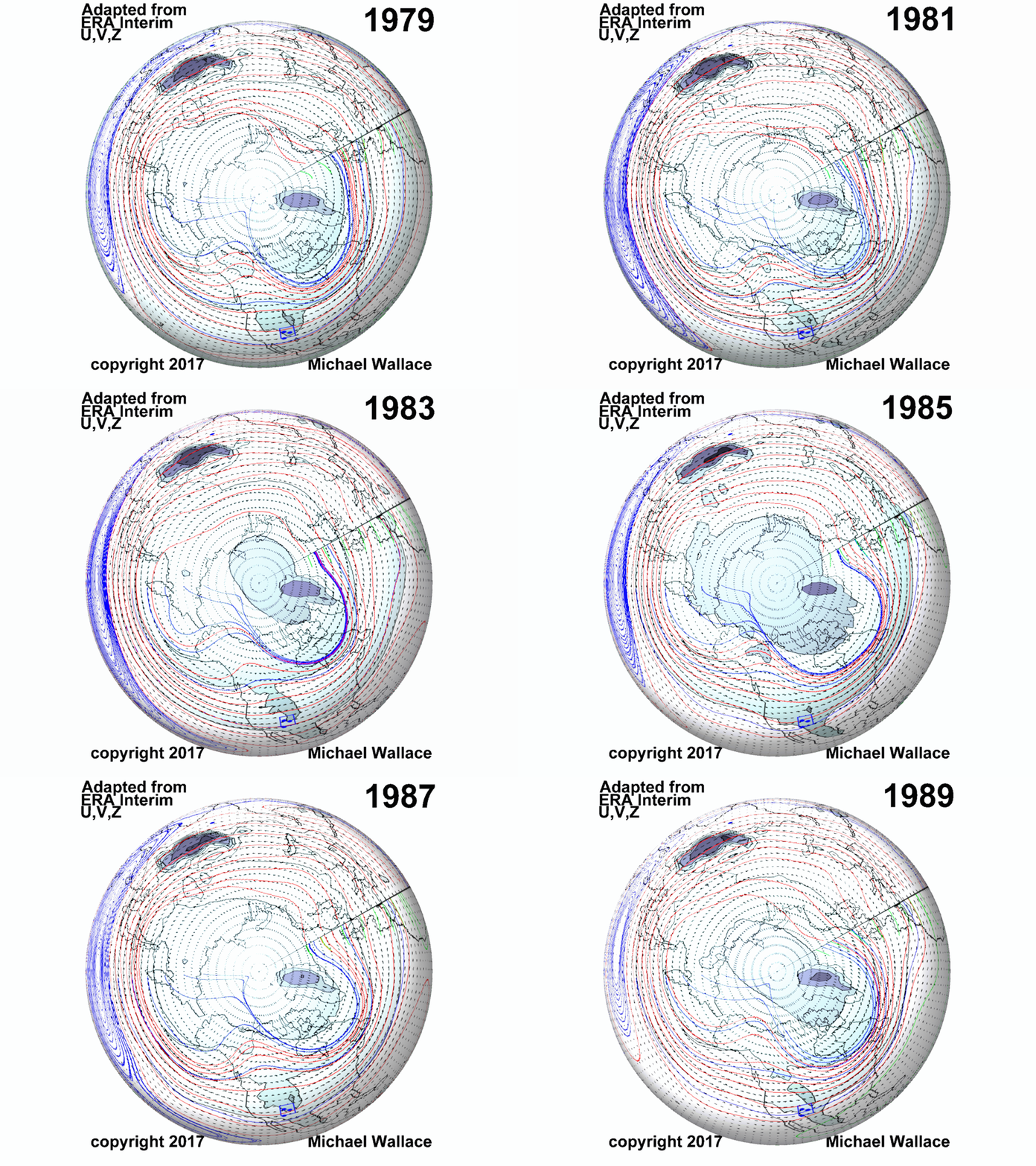
Quasi Geostrophic (QG) theory provides a foundation for visualization of global hydroclimate and related patterns. In QG space, flow vectors are generally parallel to isocontours of Z. In part because of their capture of equatorial convection signatures, QG...
by Michael Wallace | Mar 28, 2017 | Uncategorized
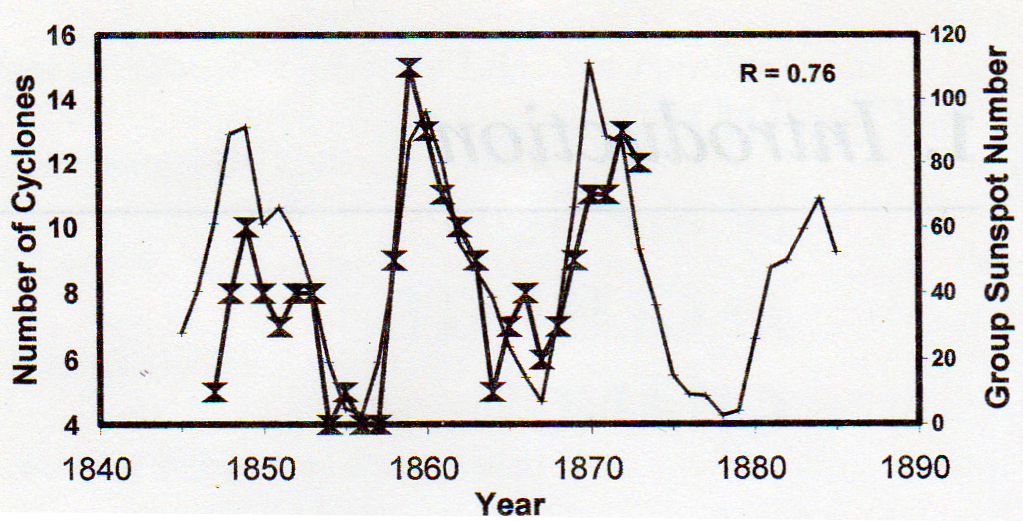
In 1997 Hoyt and Schatten [1] wrote a book on THE ROLE OF THE SUN IN CLIMATE CHANGE, which explored in large part the history of scientists’ discovery of sunspots and their subsequent attempts to understand how the nearly clockwork sunspot cycles might relate to...
by Michael Wallace | Mar 17, 2017 | Uncategorized
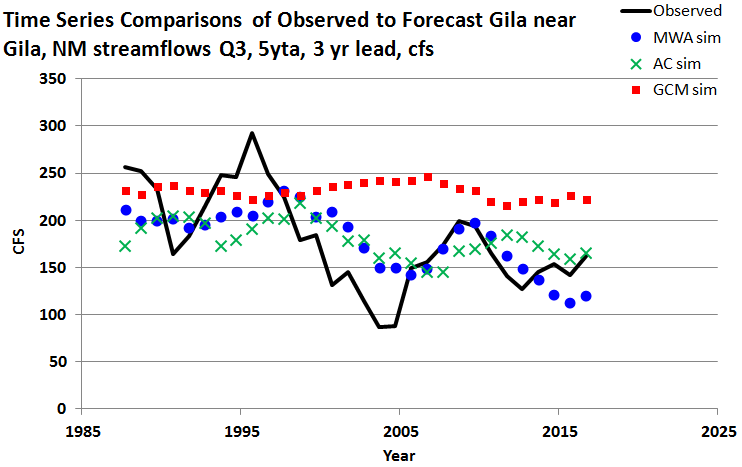
There are several underlying principles which help in achieving the high accuracy of MWA hydroclimate forecast models. In our experience, the more reproducible the performance report, the more rapidly the calculations evolve to higher accuracy. The featured images...
